Mould Removal & Remediation
We find the source, remove the damage, and treat the area properly.
Mould remediation is not just spraying. We identify the moisture source, assess what materials can be cleaned and what need removing, treat exposed structures, dry the area, and provide a clear report throughout. No guesswork. No repeat visits for the same problem.
$600
Our Approach
Fix the source first. Then properly remove the mould.
Mould is usually a symptom of a moisture problem. If that problem has not been fixed, the mould will return. We do not recommend simply treating visible mould if the underlying moisture issue has not been resolved. That is why every remediation job begins with identifying the cause — and making sure it has been addressed before treatment starts.
Once the source is confirmed as fixed, we assess what materials can be cleaned and what need to be removed. Porous materials like plasterboard, if mould has grown through them, cannot be cleaned from the surface — they need to come out. We explain all of this clearly before any work begins, and we get your signed permission before cutting or removing any part of the structure.
- Source identified and confirmed as fixed before treatment
- Thermal imaging and moisture readings before any work starts
- Signed owner permission before cutting or removing structure
- Porous materials removed rather than surface-cleaned
- Hydrogen peroxide treatment — not bleach
- Physical removal of dead mould — not just fogging
- Moisture checked every few days until area is dry
- Written report and clearance check before sign-off
Understanding Materials
If mould is inside porous material, surface cleaning is not enough.
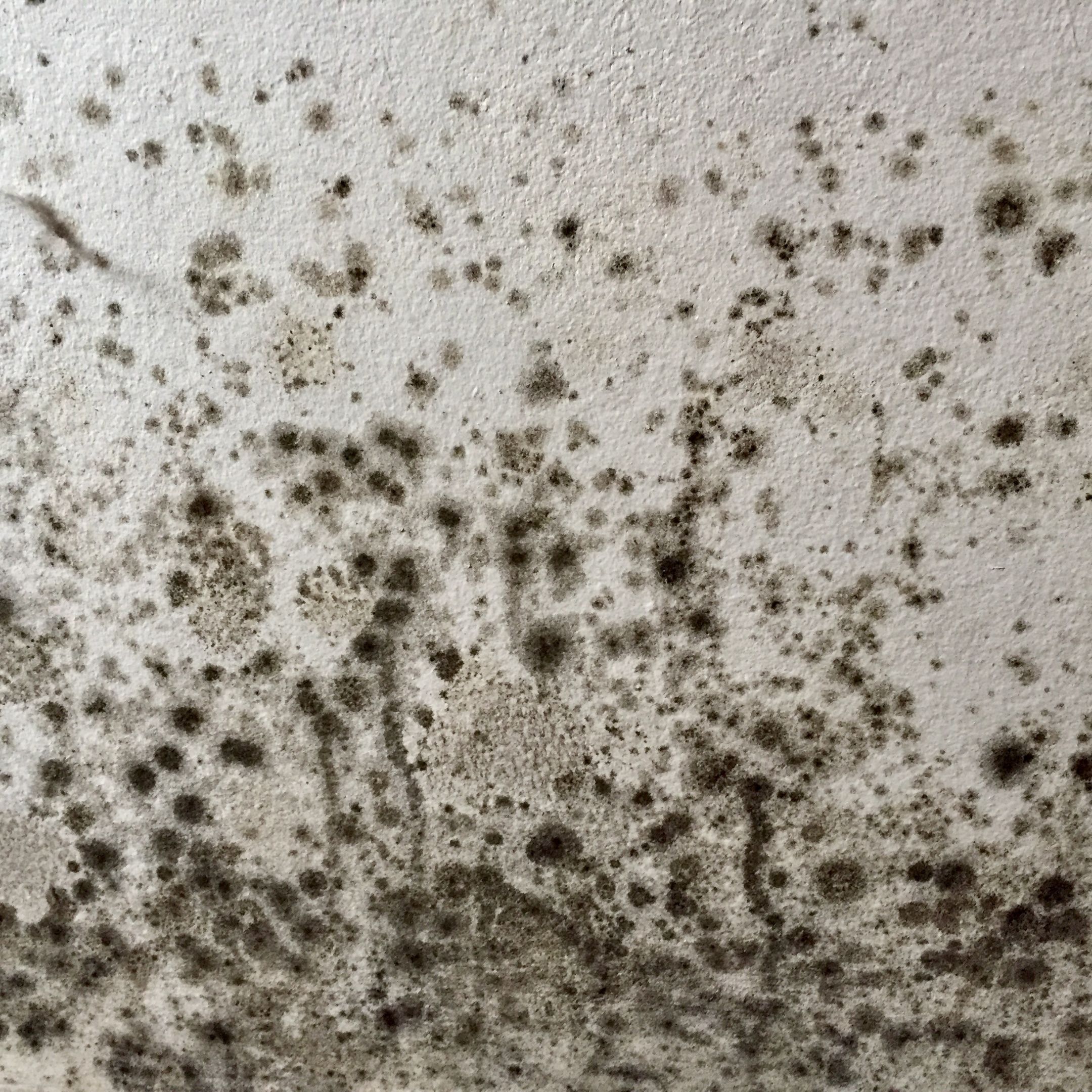
How we treat mould depends on the material it has grown into. This distinction matters — and it affects whether cleaning is sufficient or whether material needs to come out.
Porous materials — usually need removing
If mould has grown through plasterboard, insulation, soft furnishings, or heavily affected timber, those materials typically cannot be cleaned from the surface. They need to be cut out and removed.
Examples: plasterboard, ceiling materials, insulation, soft furnishings
Semi-porous materials — assessed case by case
Timber framing and some skirting boards may be cleaned, treated, or sanded back — depending on how far the mould has penetrated. We test with hydrogen peroxide, which reacts visibly with active organic contamination, to assess how bad it is.
Examples: timber framing, some skirting boards, some building materials
Non-porous materials — can usually be cleaned
Hard sealed surfaces, tiles, metal, and glass can usually be cleaned and treated effectively.
Examples: tiles, sealed concrete, metal, glass surfaces
When Strip-Out Is Required
Careful removal. Protected surroundings. Documented throughout.
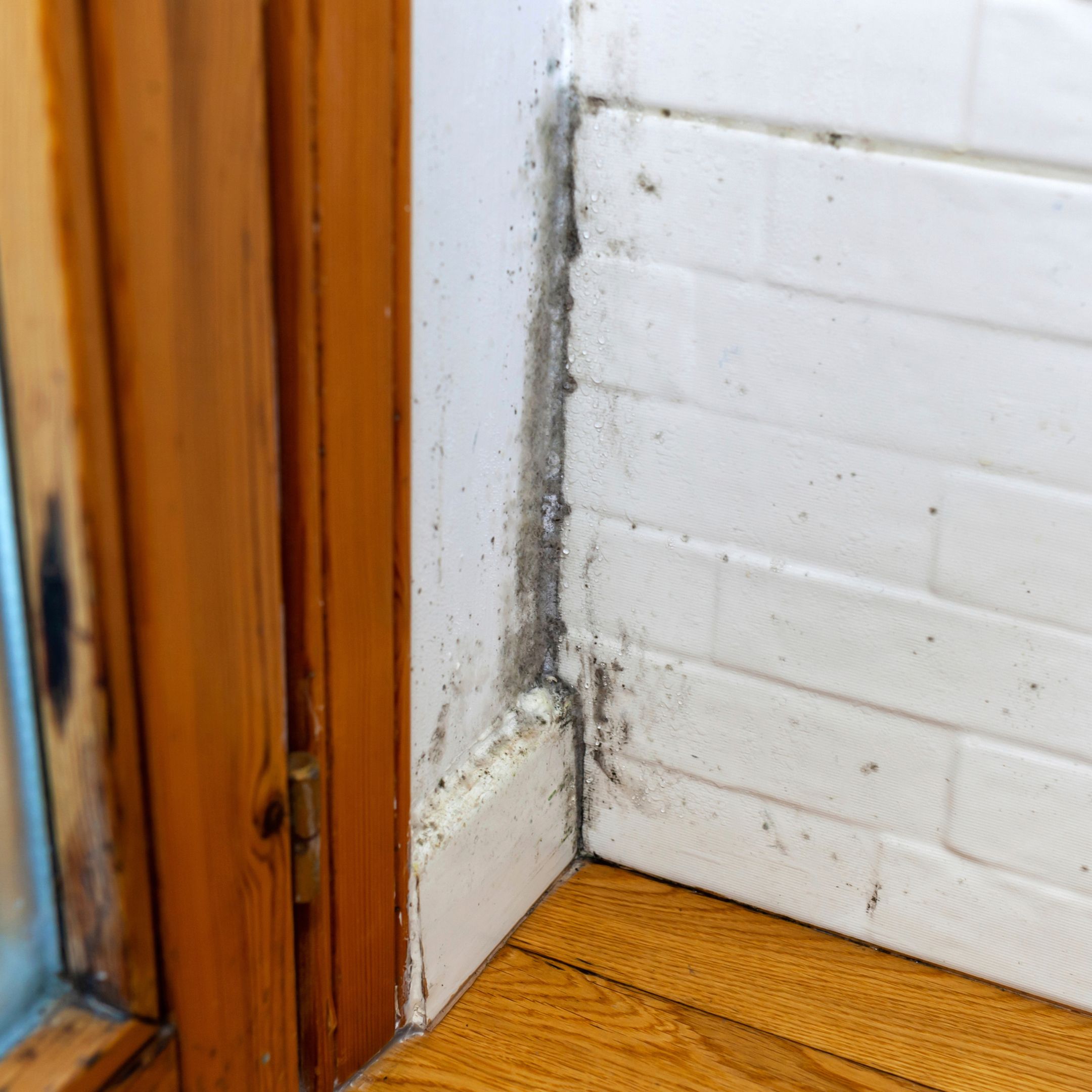
When plasterboard or other porous materials need to come out, we cut around 30% extra area beyond the visible affected section to remove surrounding spores and contamination. The cut is made with a multi-tool for clean edges. We get signed permission from the owner before any cut is made — this protects both parties.
1
Set up containment in the room
2
Install floor protection
3
Protect surrounding areas
4
Get signed owner permission
5
Cut out affected material with multi-tool
6
Inspect ceiling cavity, wall cavity, joists
7
Check timber framework for mould
8
Treat affected timber with hydrogen peroxide
9
HEPA vacuum with brush attachments
10
Fog ceiling space if needed
11
Remove contaminated material safely
12
Clean the room thoroughly
Watch our process
About unmould services
See how we inspect, identify hidden moisture, and remove mould properly — not just clean what is visible.
Hidden moisture
Mould removal
Timber Framework Treatment
Exposed timber treated before the structure is closed back up.
Whether plasterboard has been removed by a builder or by us, any exposed timber framework is assessed and treated before reinstatement. Sometimes timber that looks dark is simply stained from being stored outdoors — it may not be mould at all. We test with hydrogen peroxide to determine whether there is active organic contamination, because it will react and turn white if mould is present.
Where mould is confirmed on timber, the process is: spray with peroxide, watch the reaction, assess severity, HEPA vacuum with brush attachments including all crevices, spray again with peroxide, reassess, and sand back the timber if needed before retesting.
Ongoing Drying & Monitoring
Equipment only runs as long as needed.
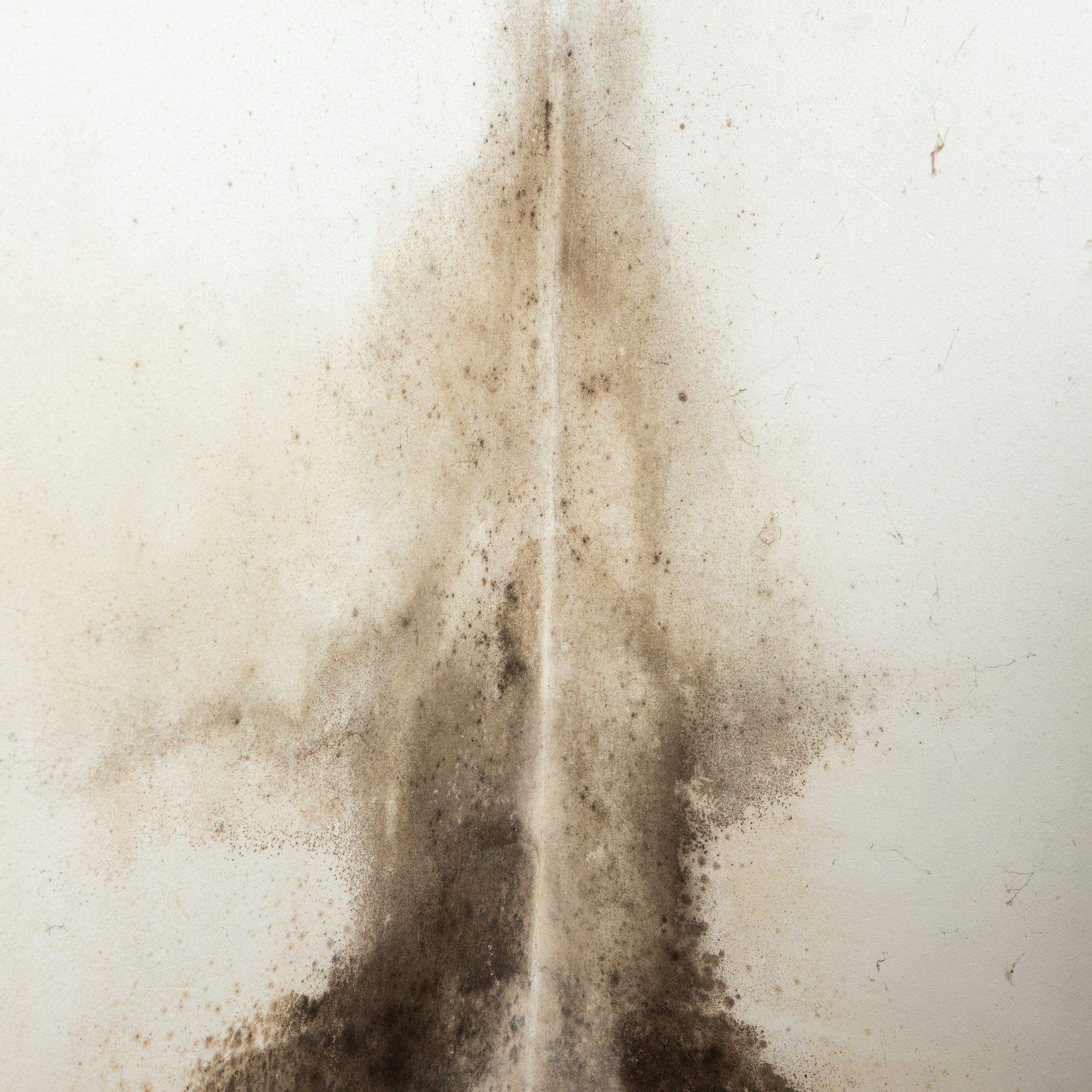
After strip-out or treatment, we monitor moisture levels during the drying process. We return every few days to check readings and update the moisture map. Equipment is not left running longer than the situation requires — this keeps costs down for the client and gives clear, documented evidence that the area is drying properly.
- Moisture readings checked every three days
- Moisture map updated with progress readings
- Equipment removed as soon as the area is dry enough
- Before and after readings documented as evidence of work
- Reinstatement recommended once moisture levels are acceptable
Air Scrubbers vs Dehumidifiers
These are not the same machine. An air scrubber uses HEPA filtration to pull air through the machine, capture mould particles, and release filtered air back into a sealed room. A dehumidifier removes moisture from the air to help dry damp materials. Both may be required on the same job — one cleans the air, the other dries the structure.

Clearance & Testing
We do not say a job is clear unless we can demonstrate it.
Once treatment is complete, we carry out internal cleanliness checks using an ATP sampling machine — a surface cleanliness tester that gives a real-time indication of contamination levels. This is something many mould companies skip. Where formal clearance is required, we can also recommend lab-based surface testing.
ATP surface sampling gives a real-time cleanliness result on-site, confirming the area has been treated effectively before we leave.
Where formal written clearance is required — for insurance, property management, or client preference — we can arrange lab-based surface sampling with independent analysis.

The full remediation process
From first inspection to final clearance — documented at every stage.
1
Inspect & confirm source
Thermal camera and moisture readings taken. Cause identified and confirmed as fixed before treatment begins.
2
Scope of works confirmed
What can be cleaned, what needs removing, what drying is required — all documented and explained. Signed permission obtained before any cutting.
3
Containment & strip-out
Room contained, floors protected, affected porous materials carefully removed. Ceiling cavity, joists, and timber framework inspected behind.
4
Treatment & drying
Hydrogen peroxide treatment applied. HEPA vacuum with brush attachments. Air scrubbers and dehumidifiers run as needed. Moisture checked every three days.
5
Clearance & report
ATP surface cleanliness check. Written report with before/after moisture map. Lab testing recommended if formal clearance is required.
6
Reinstatement
Once moisture levels are acceptable, the area is ready for a builder to reinstate. We can recommend trusted local builders, or leave reinstatement to you.
🛡️
30-Day Satisfaction Guarantee
If mould returns in any treated area within 30 days of our visit, we come back and retreat it — completely free. No questions asked.
Get a QuoteReady to get rid of it properly?
Get a quote — no obligation, same-week availability.